Journal
Hearing Health
Could an Implant Improve Your Hearing Experience? What to Know
Written by
The Lifetime Hearing team
Published
Reading time
3 min read
You can hear someone speaking, but making out their words still takes considerable effort. Perhaps you've already had your hearing aids checked, explained the sounds and conversations you're struggling with, and started wondering what else might help. If so, an implant evaluation could help you better understand your options.
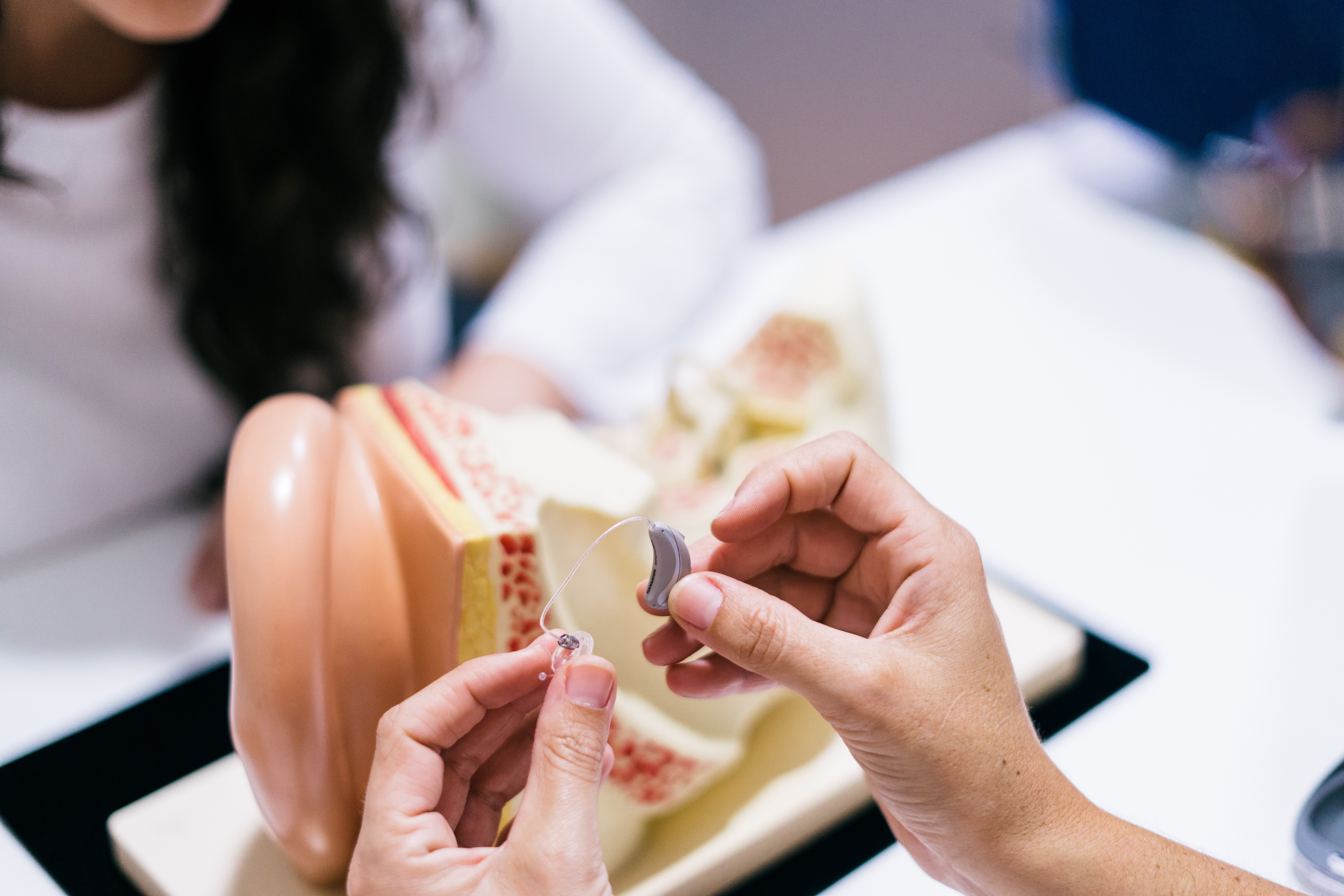
At Lifetime Hearing Services, you can explore cochlear implants and bone-anchored hearing implants to find out whether either may be suitable for your hearing needs. For those who may benefit from a cochlear implant, our clinic offers evaluation, activation, and programming in Florence, along with counseling before implantation and support throughout rehabilitation.
Exploring these options gives you the opportunity to understand what each involves and consider which approach may best suit your hearing needs. The aim is to help you feel informed and confident about the next steps in your hearing journey.
When Should You Ask About an Implant?
If you're finding that traditional hearing aids aren't providing the benefit you hoped for, it can help to explain to your hearing care professional how this affects your everyday life. For example, let them know if you find yourself relying on facial expressions to follow conversations or notice that turning up the volume doesn't necessarily make speech clearer.
These experiences may be a reason to explore further assessment, but they don't automatically mean you're a candidate for an implant. Your hearing evaluation results, medical suitability, and personal communication goals all play an important role in determining which options may be appropriate.
It's helpful to think of an implant evaluation as an opportunity to learn more, rather than a commitment to treatment. You can ask questions, explore what the process involves, and take the time you need to decide how you'd like to move forward.
How Do Cochlear and Bone-Anchored Implants Differ?
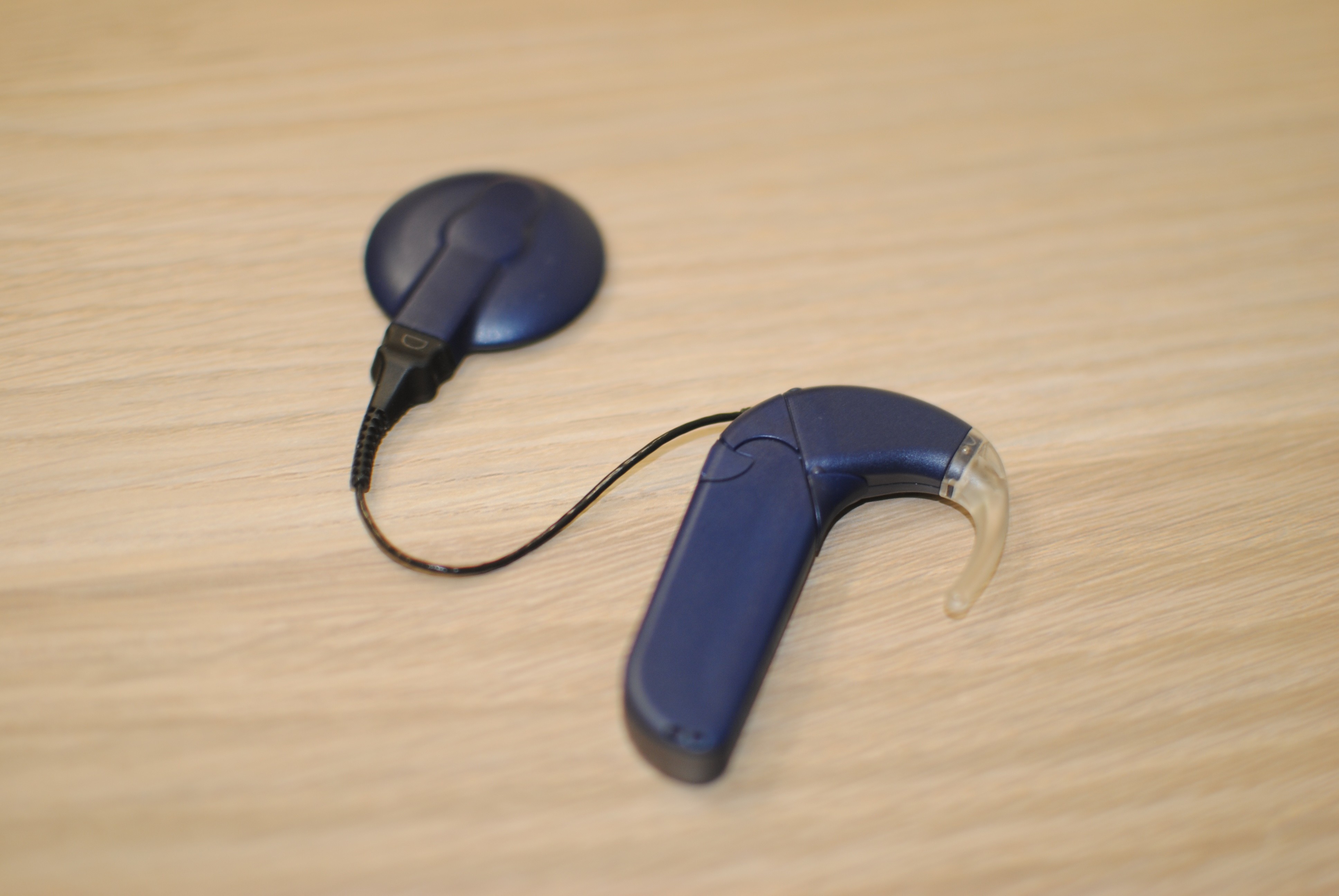
A cochlear implant consists of an implanted component and an external sound processor. It works by converting sound into electrical signals that stimulate the auditory nerve, bypassing damaged parts of the inner ear. Over time, your brain learns to interpret these signals as sound, although this process takes practice and rehabilitation.
A bone-anchored hearing implant works differently, using vibrations to carry sound through the skull to the inner ear. Depending on their individual hearing profiles, it may be suitable for people with conductive or mixed hearing challenges, or single-sided deafness.
As these devices work in different ways, the most suitable option depends on the type and cause of your hearing difficulties, as well as the results of your assessment.
What Happens During a Cochlear Implant Evaluation?
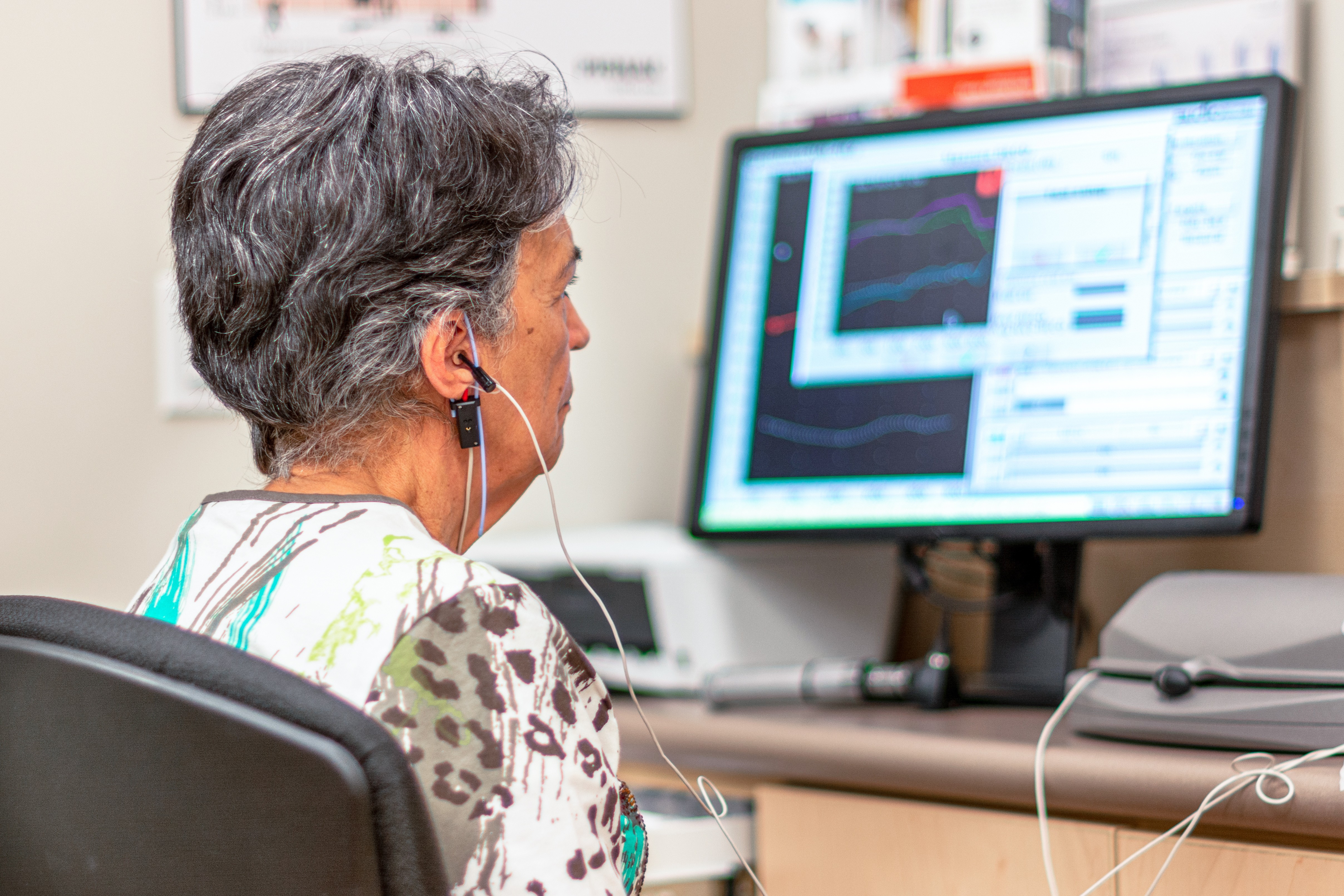
Our cochlear implant service begins with a comprehensive hearing evaluation and a specific candidacy assessment, which includes testing in a sound field with background noise. These assessments help your care team build a clearer picture of your hearing abilities and consider the results alongside your everyday experiences.
To prepare for your visit, make a note of the situations where you find hearing most challenging and any solutions you've already tried. It's also useful to bring details of your current hearing technology and copies of any previous hearing assessment results. And when arranging your appointment, ask our team whether there's anything else you should bring.
Your implant team will review your hearing results and medical suitability to determine whether a cochlear implant may be appropriate. If surgery is recommended and you decide to go ahead, a cochlear implant surgeon will perform the procedure. You can then return to our Florence office for activation and programming as you begin your journey with the implant.
What Can You Expect After Activation?
“Activation” is the appointment when your external sound processor is switched on and programmed for the first time. From this point, you'll begin experiencing sound through your implant, although those first impressions may take some getting used to. Voices might seem unfamiliar, and understanding what you hear can take time as your brain adjusts to the new signals.
Having realistic expectations and a clear follow-up plan can make this adjustment easier. Ask your care team what listening exercises you can practice, when you'll need to return for further appointments, and who to contact if your implant feels uncomfortable or isn't working as expected.
If you're considering whether a hearing implant may be suitable for you, get in touch with Lifetime Hearing Services today to discuss your options and arrange an evaluation.
Frequently Asked Questions (FAQs)
Q: Do I need to stop using hearing aids before asking about an implant?
A: No. You can explore implant options while continuing to use your hearing aids. During your appointment, explain how your current devices are working for you and which situations remain challenging. An evaluation can help determine whether adjustments to your existing hearing care may be beneficial or whether an implant could be another option worth exploring.
Q: Can I have cochlear implant surgery at Lifetime Hearing Services?
A: The cochlear implant surgery itself is performed by a cochlear implant surgeon, while Lifetime Hearing Services provides support throughout other stages of the process, including evaluations, counseling, activation, and programming.
These appointments are available at our Florence office.
Before proceeding with a cochlear implant, ask how the audiology and surgical teams will work together, how information will be shared, and where each stage of your care will take place. This can help you understand what to expect and who will be supporting you along the way.
Q: Will I understand conversation immediately after activation?
A: Your experience with a cochlear implant will depend on several individual factors, including your hearing history. Some people begin to understand speech relatively quickly, while others need more time and ongoing support as they adjust to hearing through their implant.
Ongoing programming appointments and regular listening practice help support your progress. Be sure to share your experiences with your care team, including any improvements or challenges you encounter along the way.
Sources:
National Institute on Deafness and Other Communication Disorders: Cochlear Implants
US Food and Drug Administration: Benefits and Risks of Cochlear Implants.
Filed under
Hearing Health

About Lifetime Hearing Services
Lifetime Hearing Services is a practice led by Dr. Lesley Kirby, AuD, with offices in Florence, Hartsville, Camden and Lake City, SC.